

Thoughts and stories of the past year
Some thoughts and longer writings of what last year was also about.
GEAR
Stories and lessons of the past year
Some thoughts and longer writings of what last year was also about.
Fortunately, there is more to life than just material possessions and objects. There are also all the reflections, thoughts, and lessons.
Here are the first things that come to mind when I think about this past year, which flew by at breakneck speed!
Living later
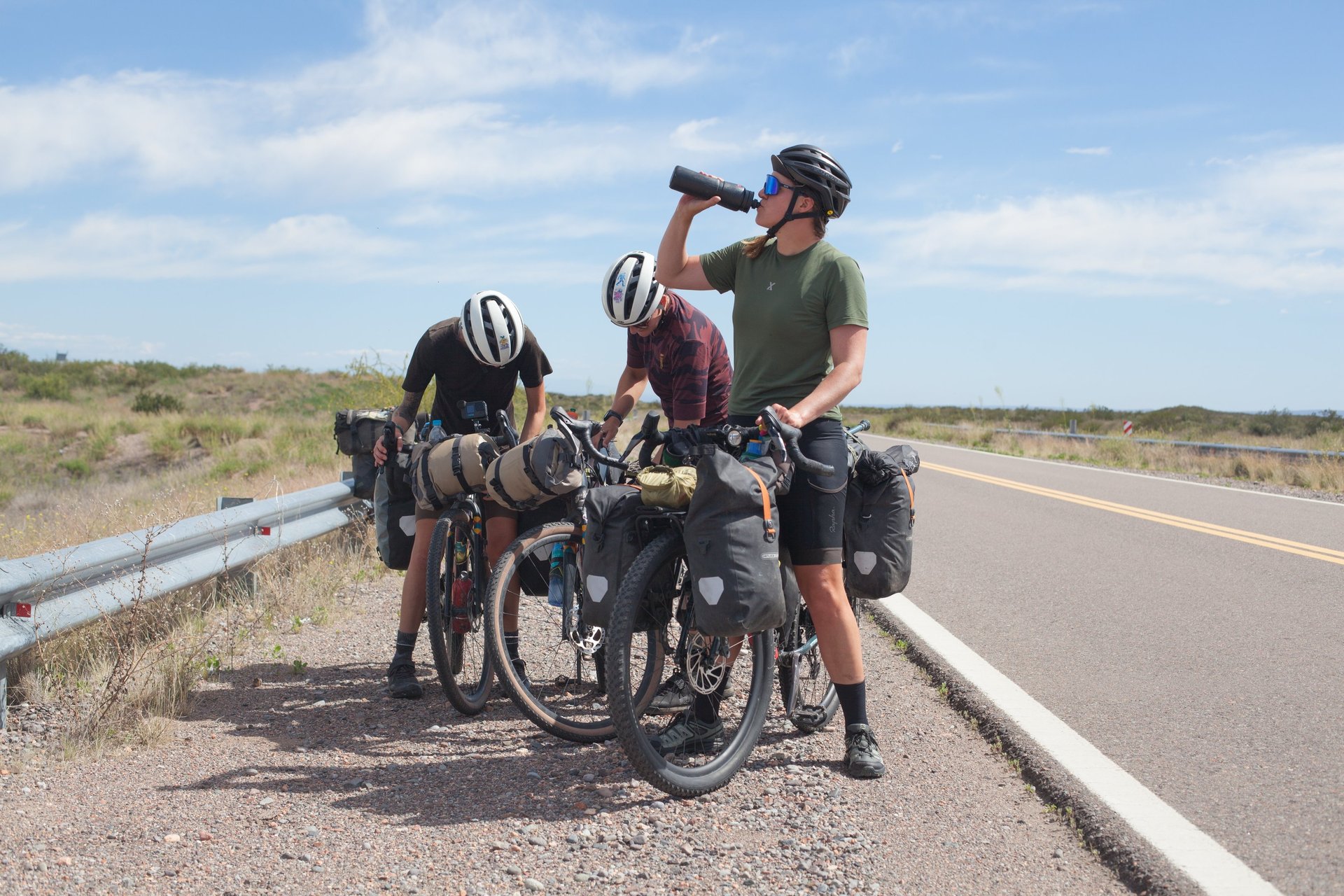
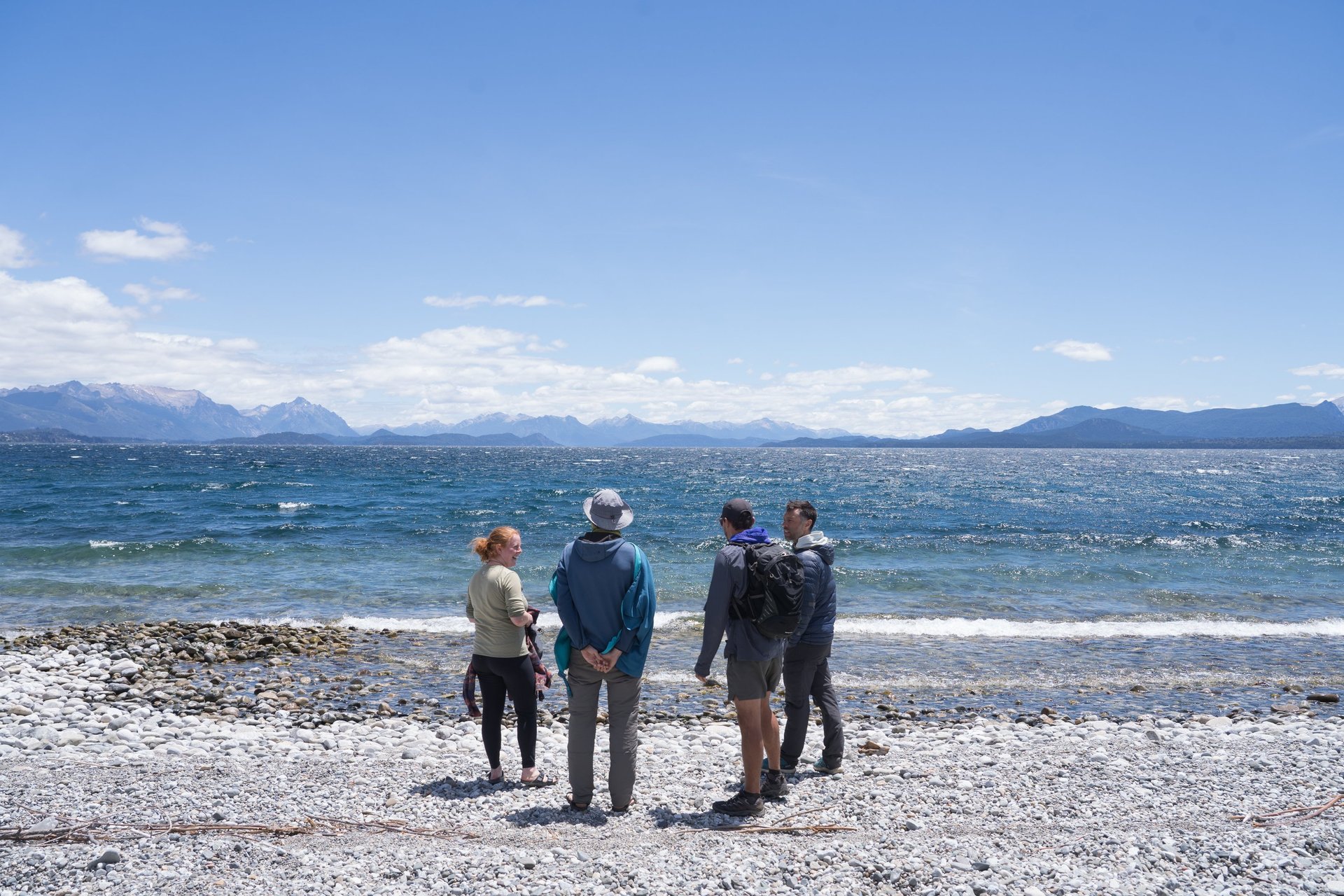
With the descent southward and the Austral summer, the days have grown longer, and people in Argentina also stay up much later, following the sun and a culture that is a little more Mediterranean than further north.Although I like to get up early in the morning, I have learned to shift my habits a little, following the sun and taking the time to linger both in the evening and in the morning.
But it's not just the sun, it's the way people live here. Stores open later, close for siesta, and close later in the evening. So you can easily go out and buy a tomato or an avocado at 10 p.m.
You adapt, constantly.
And it's crazy to see how much life has changed since Peru, where it was dark at 6 p.m., where I fell asleep at 7 p.m. and woke up at 5 a.m.
The days were short because of the cold in the morning, which made us linger.
You adapt without realizing it.
That's also how we deal with frustration. How we get to know ourselves and work on ourselves.
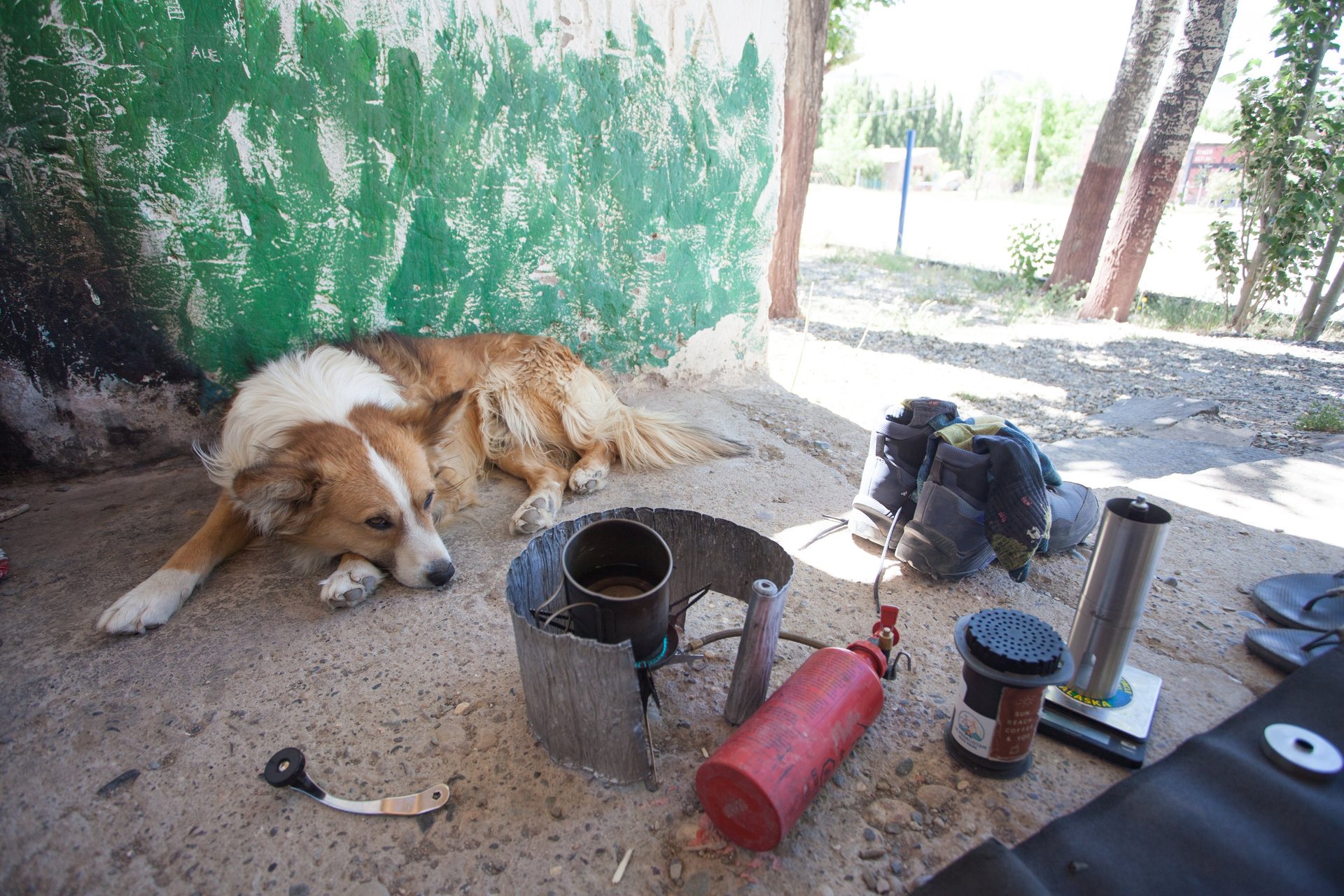
Arriving at 2 p.m. in front of a supermarket and finding it closed for another few hours. Because the country is taking a siesta. It's frustrating. Especially when you're hungry and don't want to wait to find something to eat.
Yet there's not much you can do. Wait, organize yourself a little better in the future. Learn to match your pace to that of the country you're visiting.
All in all, we are merely passing through a country in turmoil; we are only spectators.
The Unbearable vastness of the sky
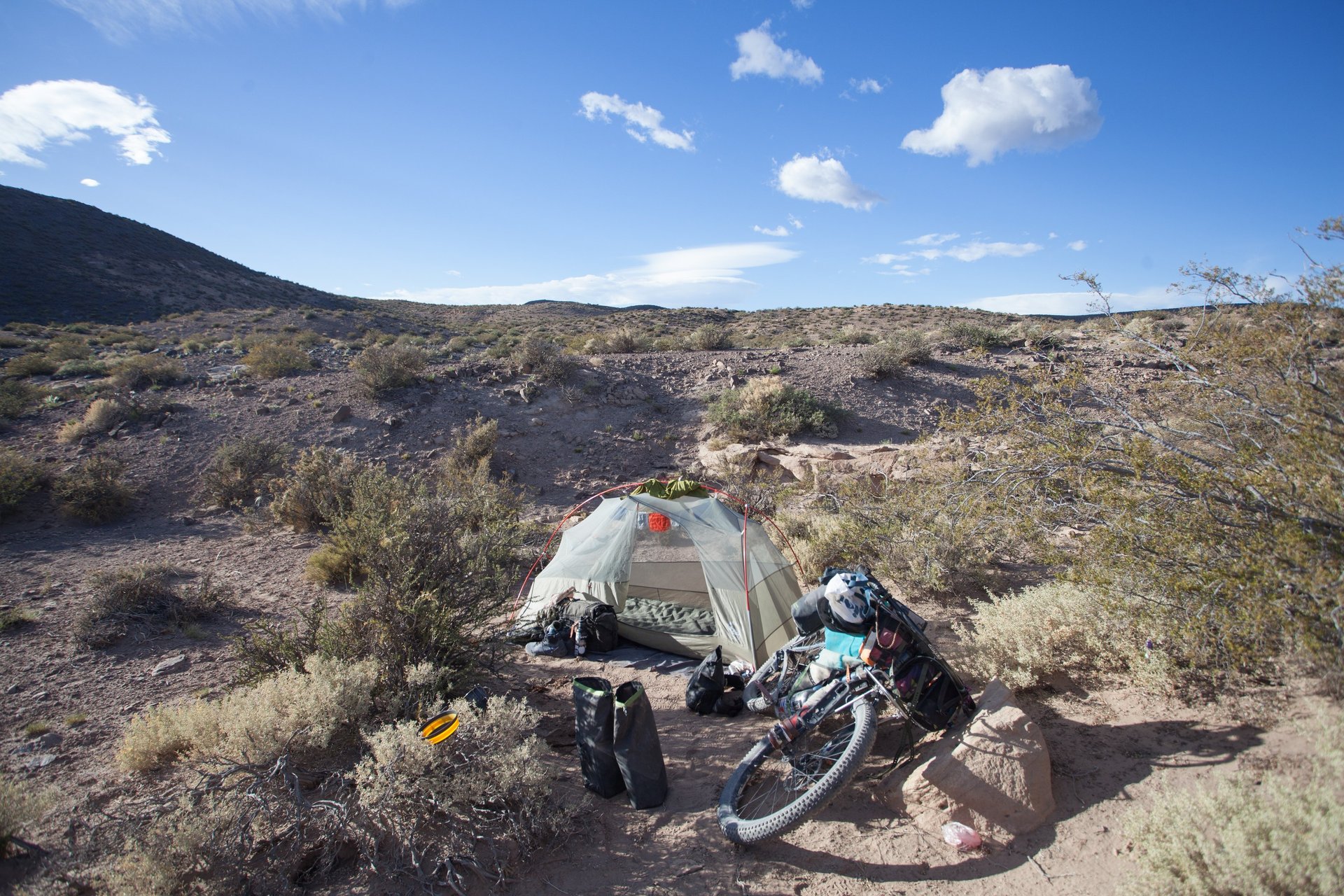
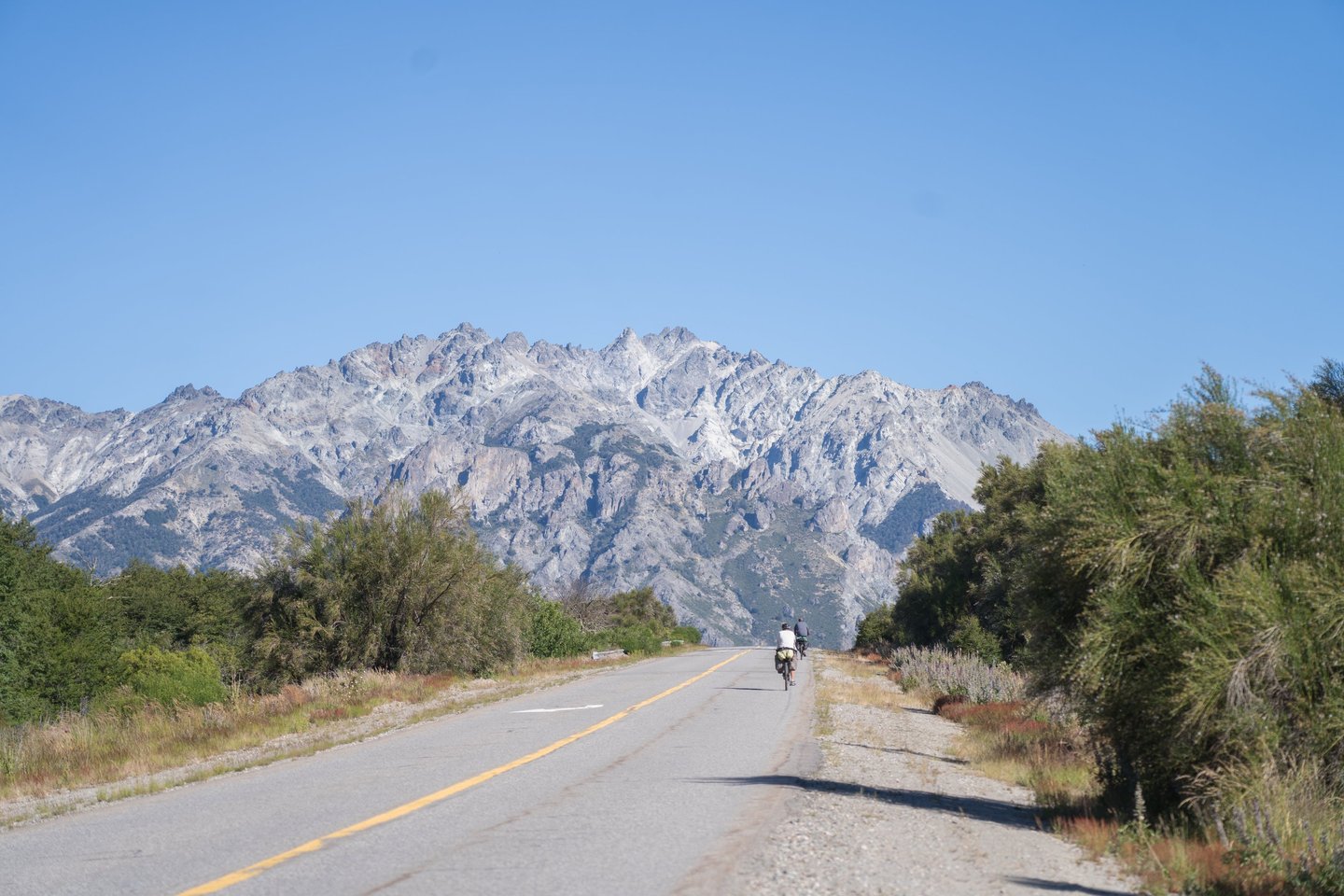
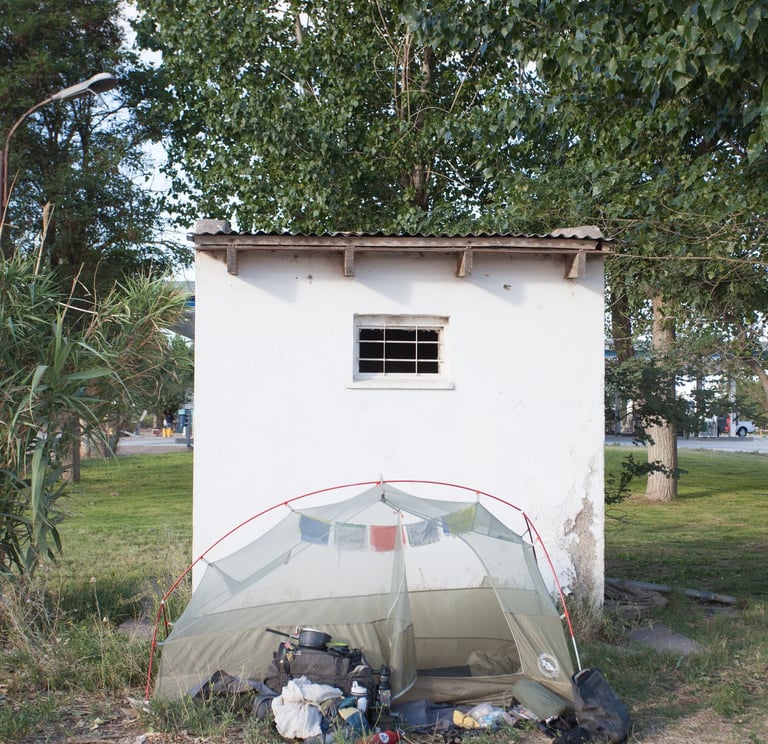
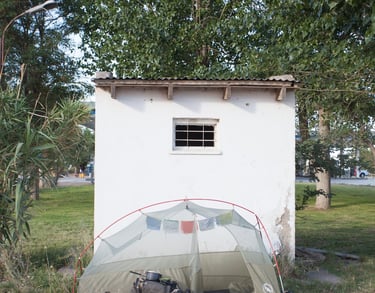
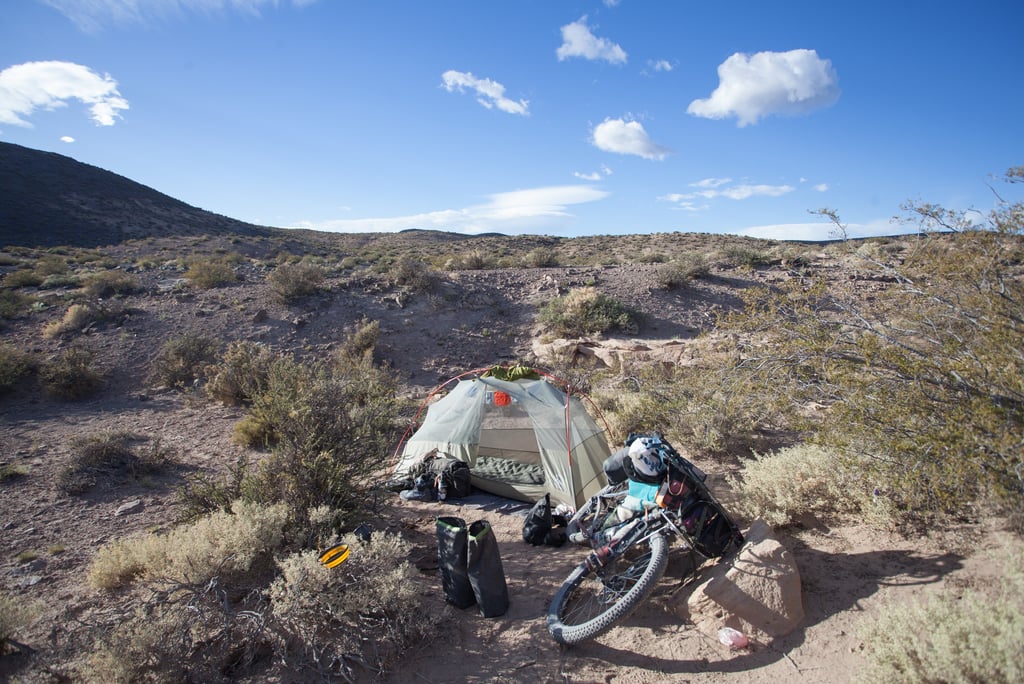
One evening, I slept by the side of a ditch in the northern Argentine desert, somewhere along a dusty road. I studied the sky for a long time and decided it wasn't going to rain. I hoped so, I believed so.
So I didn't put up the flysheet.
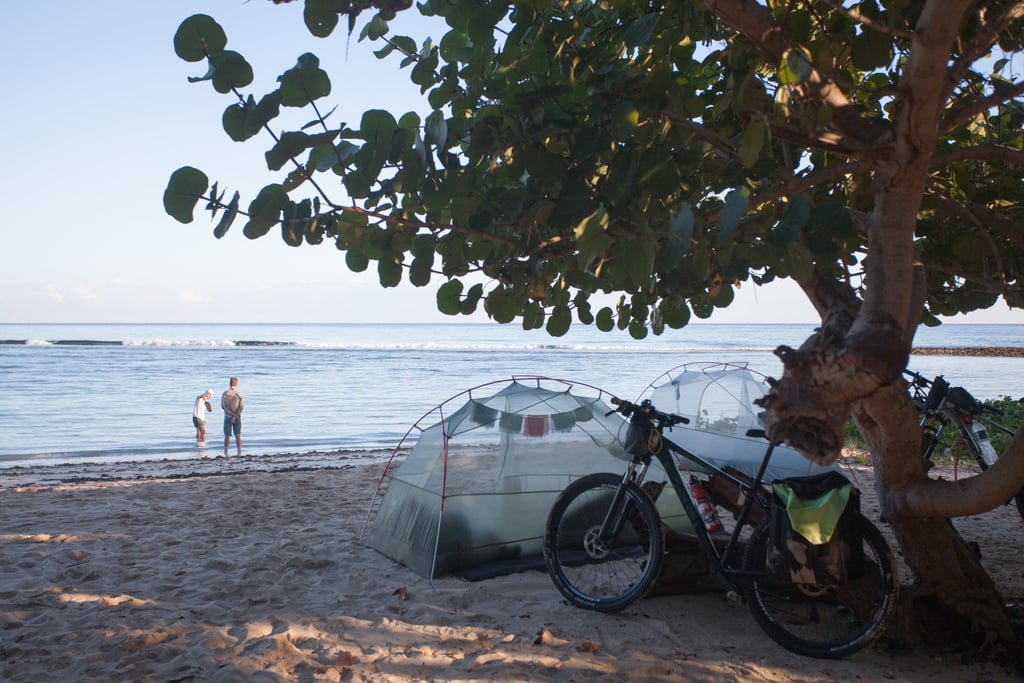
I like sleeping without the flysheet. I like to feel as close as possible to the outdoors, to the breeze and the lights.
I lay on my mattress, reading and keeping an eye on the clouds. Because although I like to sleep with as little material between me and the rest of the world as possible, I don't like having to wake up in the middle of the night after getting a few drops on the corner of my nose to quickly put up the flysheet in my underwear.
As time passes, the light fades. There are almost no cars passing on the track. Time stands still. I think I see two huge condors gliding high above. Given their size, I imagine they are condors. I hope so, because they might be the first ones I've ever seen.
The light that settles in is soft. It's the light of mornings and evenings, which is always more beautiful when it settles in silence.
But suddenly, it's almost too much. Then it becomes too much. The sky is too big, as are the condors. The mountains, the views. Everything seems to be crushing me.
I think this is the first time I've felt overwhelmed by my surroundings. Everything seems “too much,” even though I struggle to define what “everything” means.
So I go outside in my underwear and put the roof up. I cut myself off visually from the outside world.
So I go out in my underwear and put the roof on. I cut myself off visually from the outside world, which oppresses me with its vastness. It's a strange feeling.
What always liberates me oppressed me that evening.
The night was short because of the wind, but I set off again early in the morning, heading south, and it never happened to me again.
Keeping the guard up
Once you leave Central America, then Colombia, Ecuador, and Peru, you tell yourself that the worst is behind you. That you can finally relax a little.
Camp more freely, leave your bike outside the grocery store without feeling paranoid, trust people a little more.
We imagine that life is much calmer in Argentina and Chile.
Unfortunately, however, danger is still there, but in different forms. It's no longer necessarily attacks or assaults, but gangs and individuals who are very skilled and very well organized.
In fact, you have to be just as careful, if not more so, because problems arise more insidiously and are, in a sense, even more difficult to predict.
It's not a question of cities or neighborhoods. You just have to be careful all the time, everywhere.
So you still have to be careful about where you camp and not leave anything lying around on your bike. Don't let yourself be seen at all, don't tempt anyone at any time.
And finally, I've heard more stories of people being robbed in this area than further north.
Maybe it's not necessarily more dangerous or risky here, but simply that we let our guard down a little.
We imagine Patagonia as a wild, free, and safe place. But it's full of barriers, tourism, and people who try their luck as soon as someone turns their back.
I met a cyclist who had his bike bag stolen while he was walking and chatting next to his bike.
Apart from the fact that it's pretty annoying, it still commands respect.
Another friend was getting off a bus between Mendoza and Santiago and was putting his bike back together, with all his belongings less than a meter away from him. He glanced away, and when he turned back, his backpack with all his papers was gone.
Never let your guard down. There are degrees of vigilance, that's for sure. However, the best way to make sure nothing disappears is to remain alert, all the time, constantly. All without forgetting to be happy and trusting.
It's all about balance.
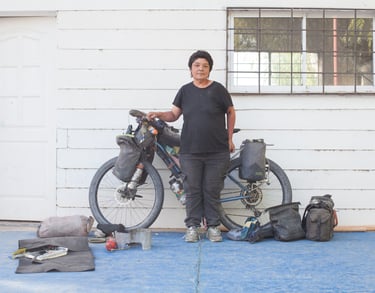
Nationality of other bikepackers
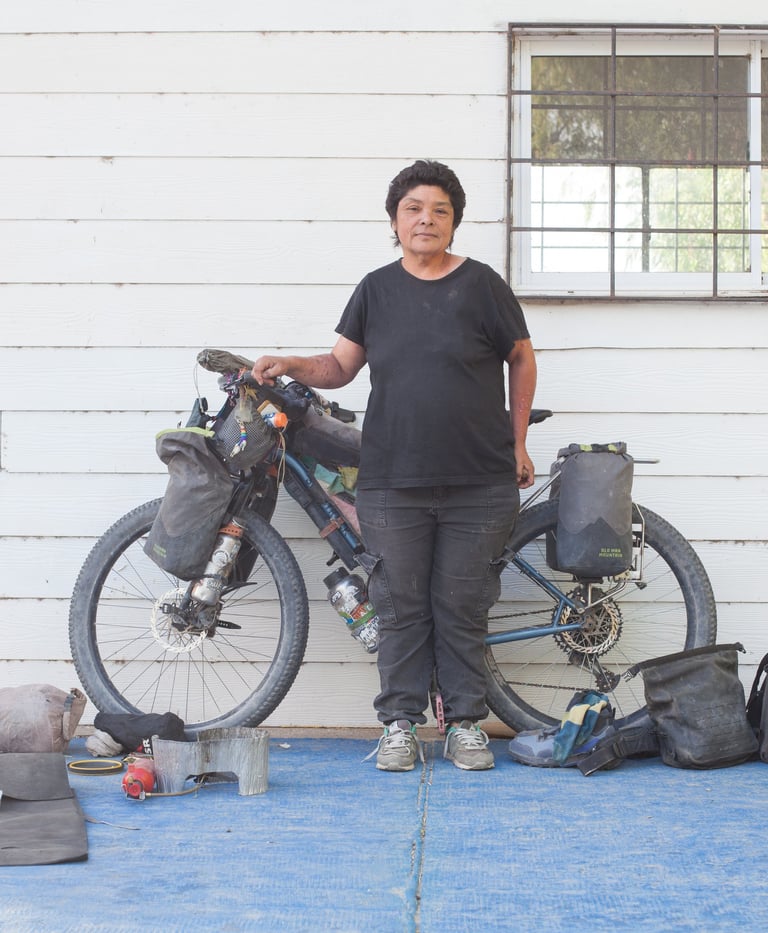
Counting the people I've traveled with since Alaska, I've realized one thing above all else : the nationalities are always the same, or at least the majority come from a minority of countries. And not the most populous ones.
It's certainly worth thinking about, as there are undoubtedly several factors to consider.
The most likely one seems to be the fact that they live in countries with high salaries and strong currencies. This is true of almost everyone I've met on the road.
So, many Europeans and North Americans. But in South America, it's interesting to see that there are many cyclists who come from the southern part of the continent. Most of them come from Brazil, Colombia, Chile, and Argentina. These are countries with higher levels of education and higher standards of living.
As for the Europeans, there are a lot of French people, then Germans, Belgians, Italians, Dutch, and English.
I also think it's a matter of culture. Cycling culture is not as strong everywhere, but it often is in the countries mentioned above.
Does cycling culture stem from material and financial comfort? Good question.
I had the same thought about mountaineering, climbing, and skiing. It's always the same profiles, always the same skin color.
In fact, I'm just putting that out there as a question that's still up in the air, since I don't have an answer. Simply put,
In fact, I'm just throwing this out there as a question that remains unanswered, since I don't have an answer. It's just that, on the other side of the world, if I meet a traveler on a bike, there's a good chance they're from my country, or at least from a neighboring country.
On the other side of the world, French people always find something that brings them back home a little.