

NoNormal coffee
The Swiss touch to outdoor coffee
GEAR
NoNormal coffee
The Swiss touch to outdoor coffee
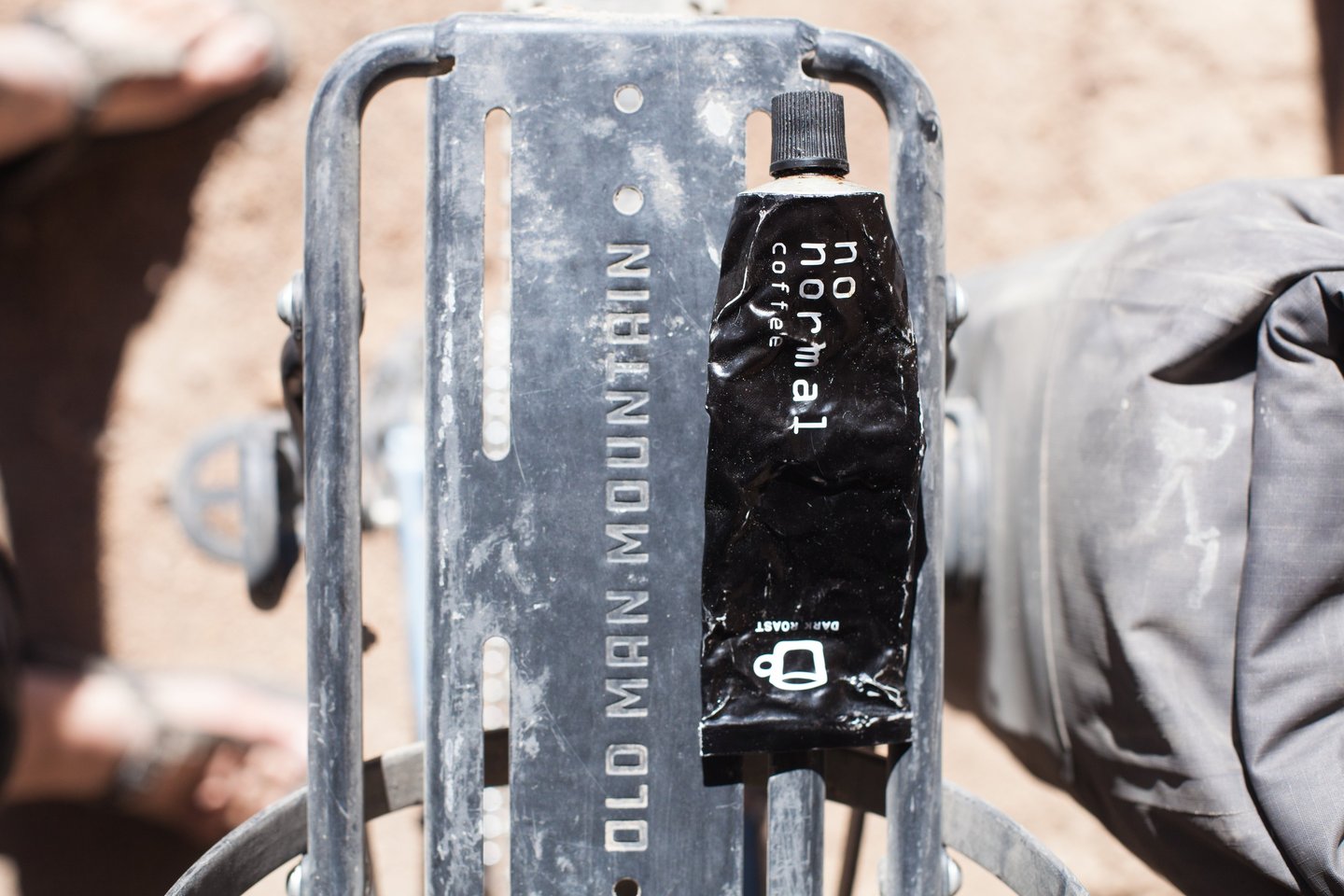
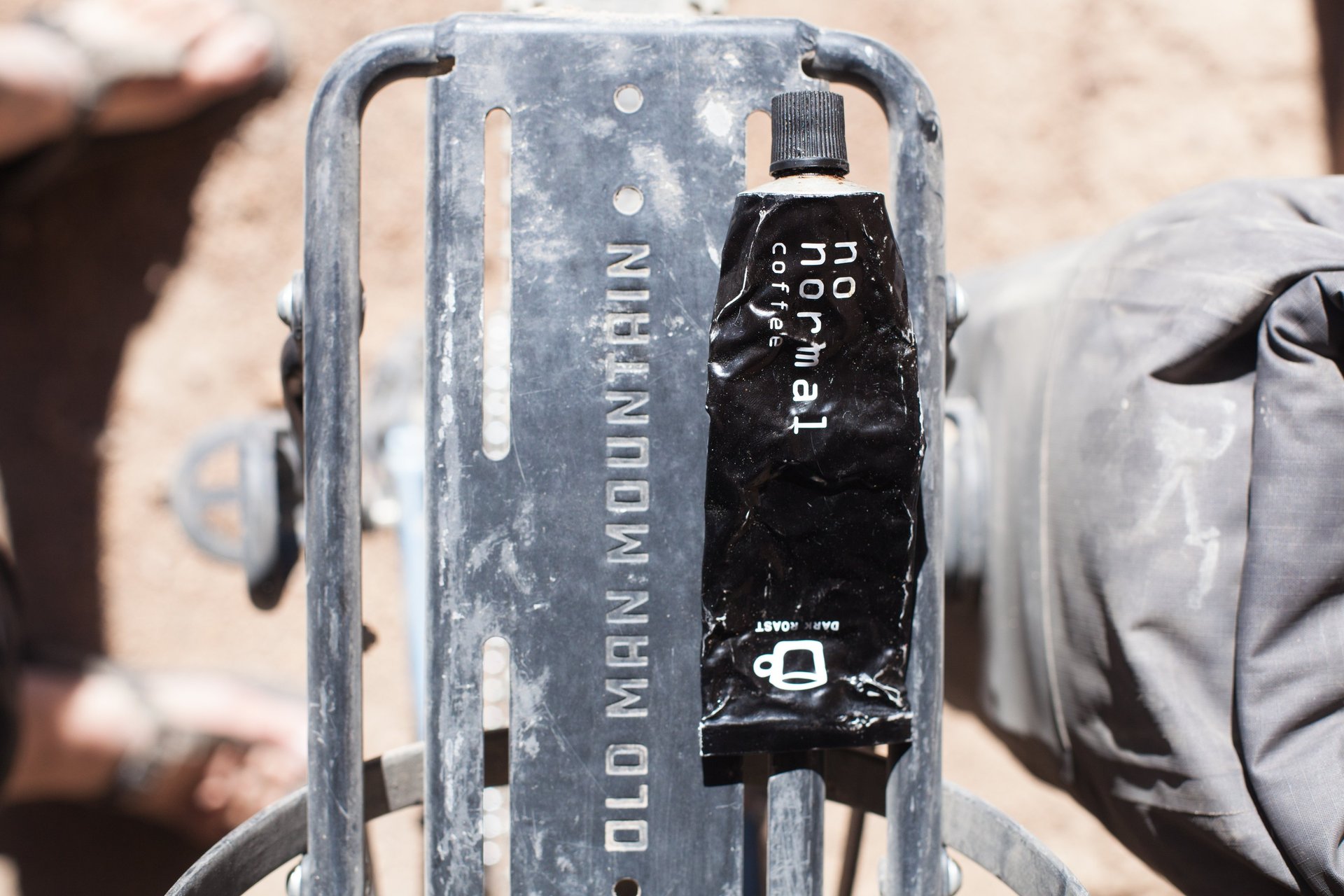
Coffee in a tube, yes.
It may seem surprising. Of course, we see dehydrated coffee of all kinds, including Geisha ! But coffee in a tube is really new. What may also be surprising is that I drink it and talk about it.
I am a trained and experienced barista, and I love coffee in all its forms. So yeah, I'm interested in everything that has to do with coffee. And even more so in the outdoor coffee market.
I was lucky enough to receive a few tubes of coffee a few months ago, which I picked up in Bolivia. Two tubes of slightly sweet coffee that accompanied me in Bolivia and Chile. The poor things didn't get to see Argentina, as I finished them well before we got there.
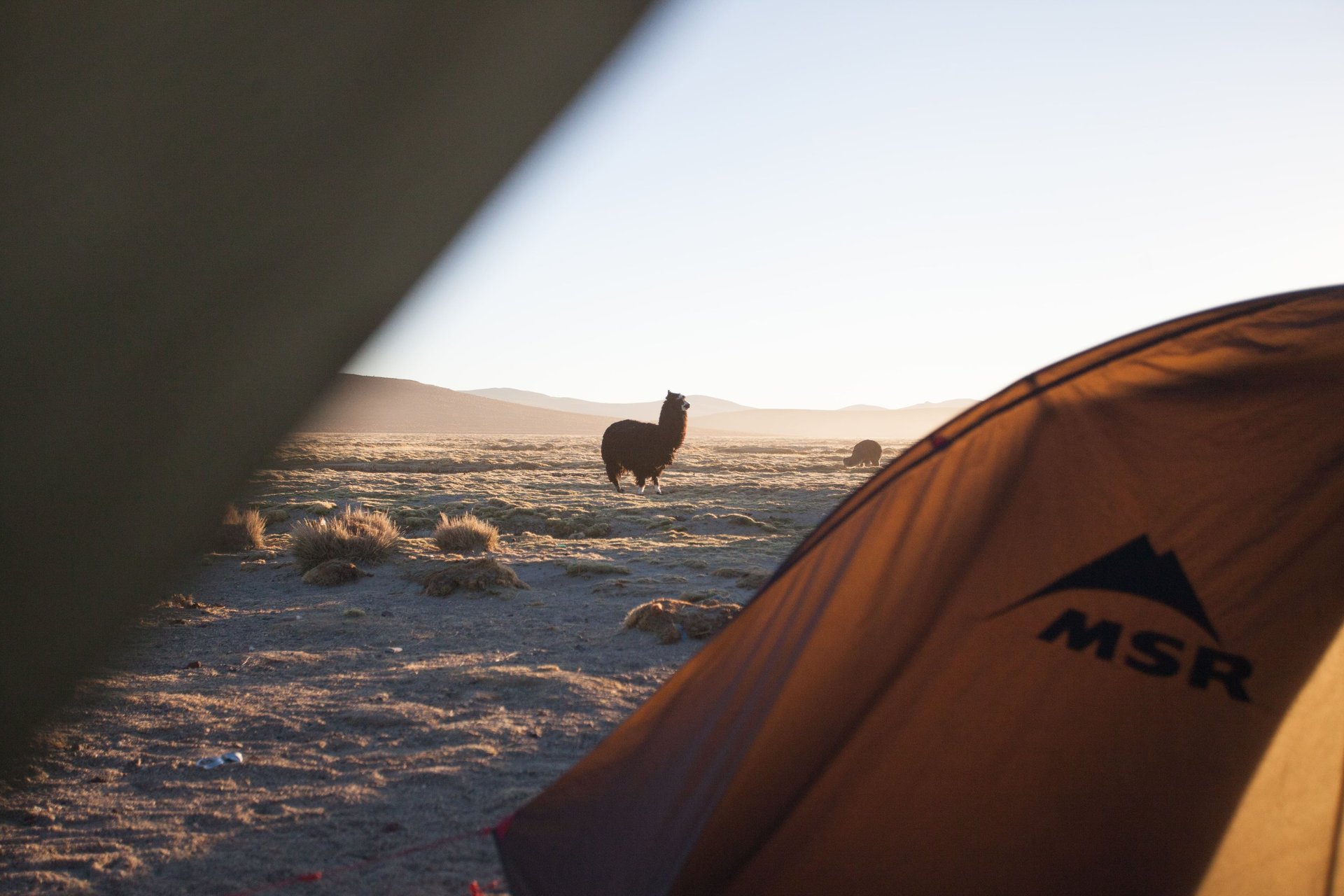
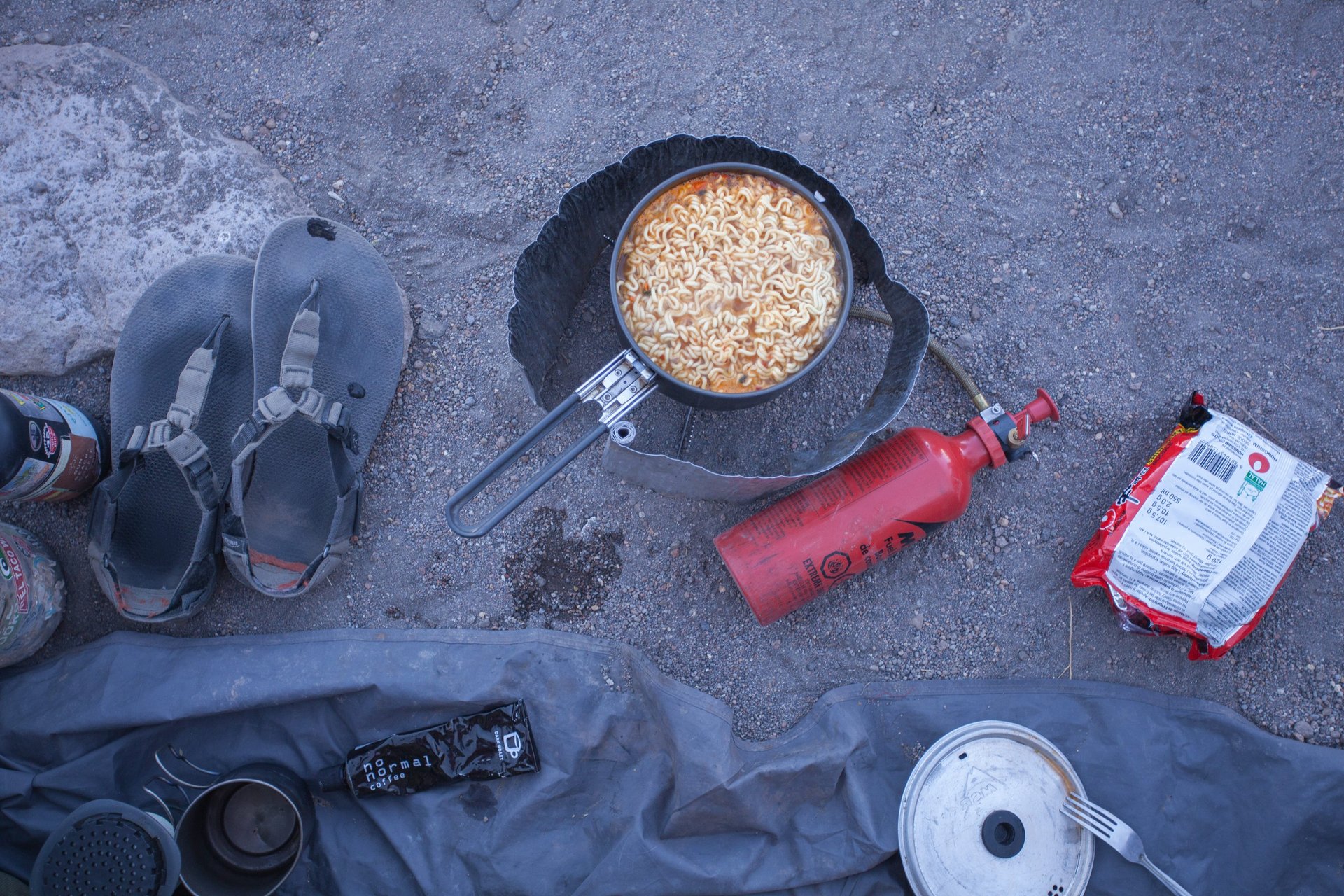
Let's get this out of the way right now : the idea isn't to replace a good cup of specialty coffee, but to look at it from a different angle.
I can see the surprised faces from here, and to be honest, I've received quite a few messages asking me for a little more information, my opinion, and my feedback.
As I said, I always carry my scale, my Aeropress, my grinder, and two or three types of beans with me wherever I go. The idea was to find a middle ground, something easy, quick, and effective.
So here's my feedback, and first, some information.
Colombian coffee 100% arabica
Made in Switzerland
Aluminium packaging 100% recyclable
15 months shelf stable
20/30 cups per tube
110g per tube
Two versions :
Sweet : 20 cups per tube, 45mg of cafeine
Unsweetened : 30 cups per tube, 35mg of cafeineThe sugar of the sweet version comes from Swiss beet sugar
The product :
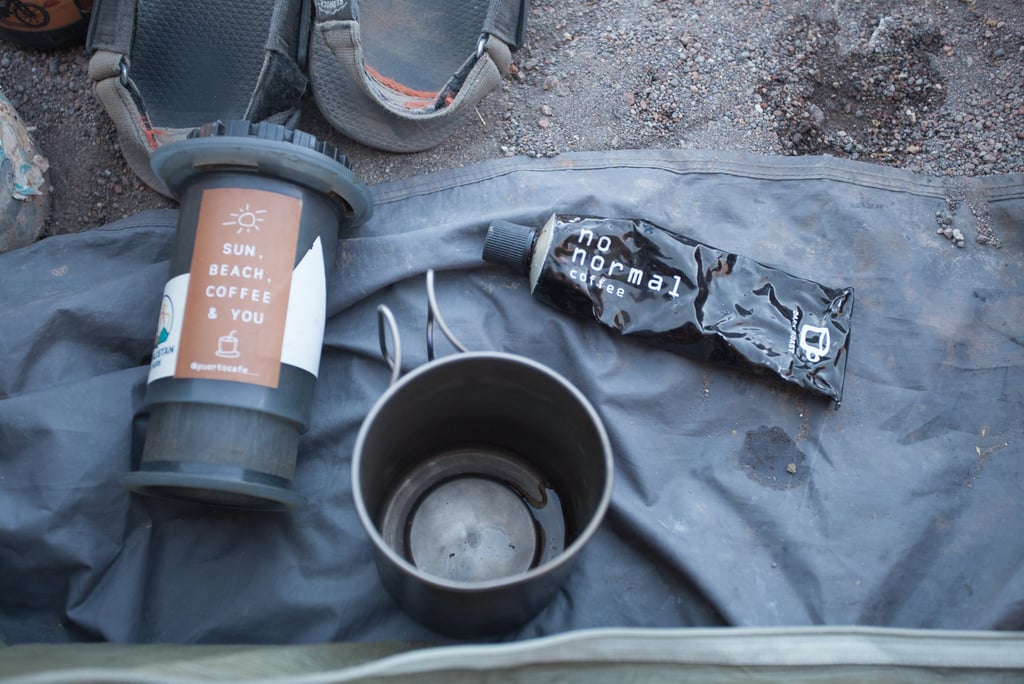
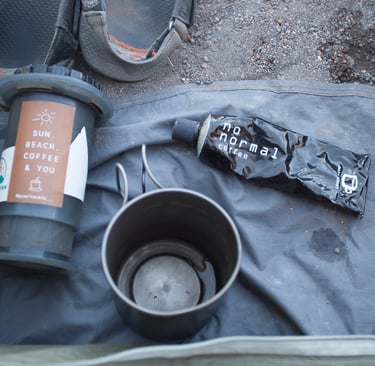
Comparaison with instant coffee
I must admit that I have drunk instant coffee before. More than once, in fact.It's quick and efficient, and in some cases cheaper and more convenient to carry than coffee beans.
I only bought high-quality instant coffee when it was on sale, and in the United States, where outdoor coffee culture is perhaps a little more advanced.
I was given some that came from really good roasters in Canada. It's very expensive, and I've only really enjoyed it once. So rare that I remember it.
Apart from that, it's mainly when I order coffee in certain countries in Central or South America (coffee-producing countries!) that I'm served awful instant coffee.
But it has to be said that this coffee in a tube is a different beast.
It is cheaper in most cases, tastes better, is made with higher quality products, and unlike basic instant coffee, it is Arabica, not the awful Robusta.
And I'll develop now.
Price
The tube of black coffee costs CHF 16.90, or around €18. It contains 30 cups.That works out at around 60 cents per cup.
That seems more than fair to me.
The tube of sweetened coffee costs CHF 14.90, or around €16. It contains 20 cups.
That works out to about 80 cents per cup.
This is still a far cry from the awful coffee served in your average bar, where it probably costs the same as a bag of instant coffee from major brands that don't care much about quality.
But I compare this price mainly to the reality of where I am.
Even in Bolivia, Peru, Ecuador, and Colombia, the bad coffee found in roadside restaurants is rarely less than one euro.
Further south, in Argentina or Chile, it is not uncommon to pay 3 euros or even more for very bad coffee in a restaurant or grocery store.
So in fact, if you compare what you might pay on the road with the price of a cup of this coffee, there's nothing to be ashamed of!
And, specialty coffee aside, it's better in 99% of cases.
You can also compare it to a bag of coffee, whether it's high quality or not. See how many cups you can make with a 250g bag and calculate the cost per cup. I think you'll often be surprised.
And even if you could pay less in some cases, consider several things:
bad coffee, bad companies, poor distribution of wealth.
What's more, we're not talking about coffee that's meant to be made at home, in peace and quiet with your little coffee maker, but coffee that's meant to be drunk outside, designed to be made quickly and efficiently outdoors.
Acidity and bitterness
It's obviously a matter of personal taste, but in my humble opinion, there is much more aromatic richness in this tube than in just about any instant coffee I've tried.The latter retain a particular bitterness, characteristic of instant coffee but also of the Robusta beans used to make it.
With NoNormal, I find a slight, pronounced acidity that is very welcome. And none of that bitterness that lingers in the mouth and is almost sickening.
Simple yet efficient
I like to drink coffee in the late afternoon. It's my little daily ritual.
But sometimes I'm too tired or don't feel like getting out all the equipment to make myself a real specialty coffee.
The reason being that I don't enjoy afternoon coffee as much as morning coffee, so I pay a little less attention to it.
What's more, due to fatigue, in the highlands of Chile and Bolivia, I didn't have the energy or the headspace to take the time I do in the morning.
I just want my coffee and a little something sweet so I can read my book and relax.
So simple and effective. 5g of coffee, 100g. I mix it, it's ready, end of story.
It seems to me that in the context we're talking about, drinking coffee outside is also what we're looking for.
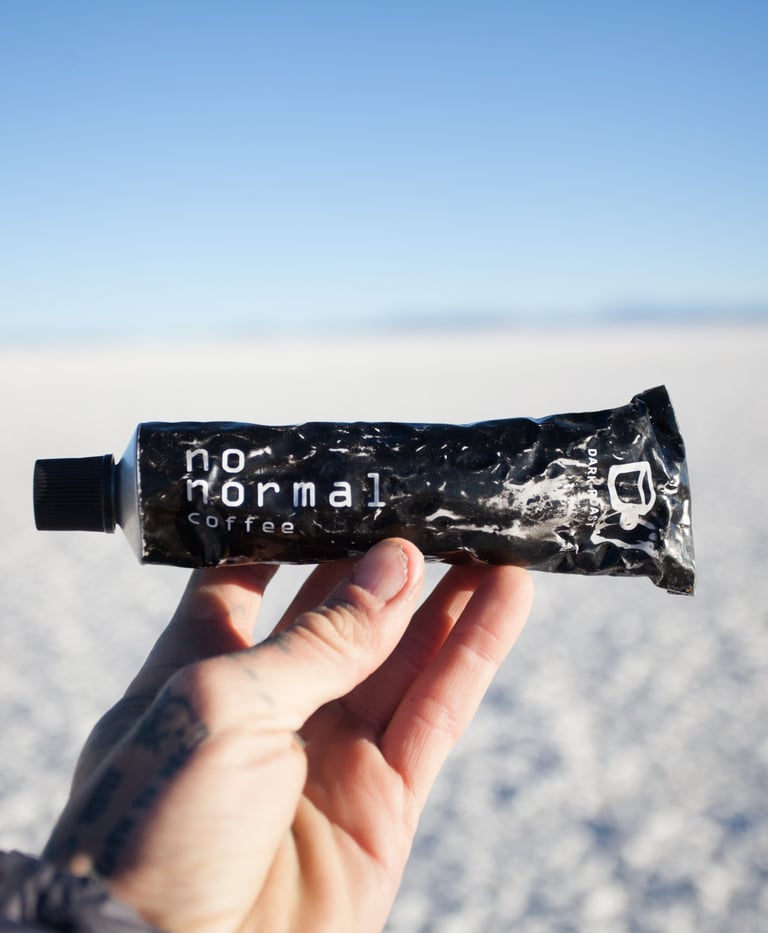
The sweet version
Under no circumstances do I put sugar in my coffee, even when it's horrible roadside coffee in a Peruvian dive bar. I just don't drink it; there's no point in torturing myself.
So I'm a fan of coffee without sugar. That said, as I mentioned before, I like my coffee and my sweet little cake in the afternoon; it's my little ritual. And it's often after a day of cycling, when sugar is most welcome.
I used to get my little afternoon sugar kick there, along with caffeine. An easy-to-drink coffee, like hot chocolate or tea, that doesn't require any great ceremony or attention to appreciate all its flavours.
The water needed
One of the things I also find advantageous is how little water it requires.
Indeed, we don't always have as much water as we would like when we're outdoors. As I said, I was able to drink this coffee in the highlands of the Bolivian and Chilean altiplano, where water is scarce.
So being able to make coffee with 100 ml of water is just perfect. When you have to carefully ration your water for the days ahead, it's good not to have to set aside too much for coffee over the next few days.
High up
Another point, which is quite contextual but still worth mentioning, is the recommended water temperature. In our case, it is 85 degrees. For a normal coffee, you would probably use around 95 degrees.
It may seem technical, but at high altitudes, the boiling point of water is much lower. So transporting specialty coffee up there doesn't necessarily make sense, since you won't be able to “extract” it properly and ideally.
It's often a waste to use expensive coffees up there. On the other hand, this coffee is perfect for high altitudes.
At the airport
I can imagine using it at the airport too. To avoid having to carry all your gear in your carry-on luggage, and to avoid those $5 cups of bad coffee at Starbucks, all you need is a cup and a tube of coffee to make yourself a coffee.
Of course, you have to ask for some hot water, but that doesn't seem impossible to me at all; in fact, I do it often. There's always a café or restaurant in the airport that will fill your cup.
Packaging
As mentioned above, it is fully recyclable and can be recycled indefinitely. But with 30 coffees that fit in a corner of your pocket, you have to admit that it's very practical.
It's lightweight and compact.
However, you have to be quite careful when using it, otherwise you'll end up like me with torn corners everywhere and coffee spilled everywhere too.
This is more to do with my somewhat chaotic way of opening and storing things, because I've seen photos of people doing it right, and it turns out they were able to get every last drop of coffee out of the tube, while keeping their hands and bags clean!
I saw that they had just released a little tool to roll the tube up as you go, allowing you to do it neatly and get the most out of your tubes.
It's not necessary, except for people like me.
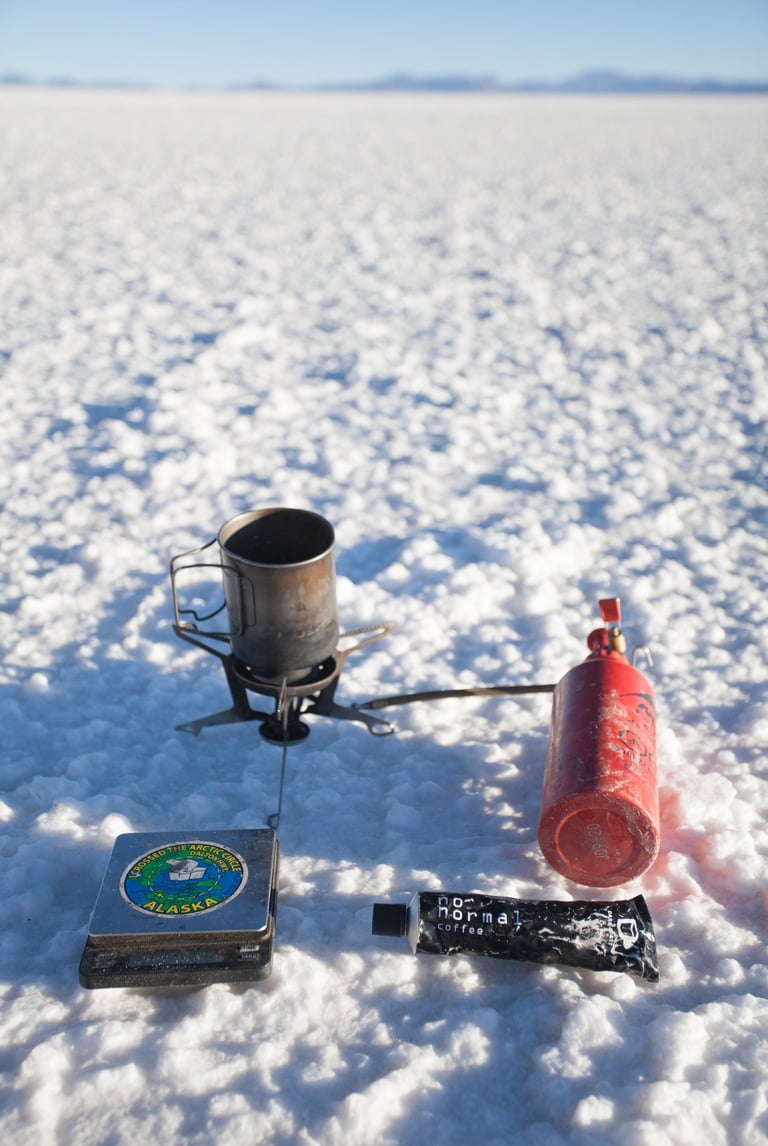
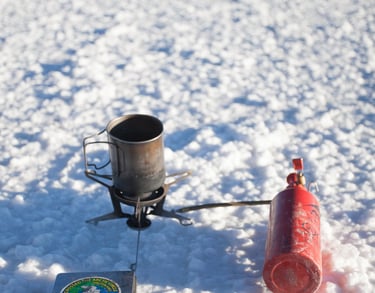
Versatility
Actually, it's not just coffee in a tube. It's coffee paste. So you can imagine all the things you can do with it.
NoNormal publishes a few recipes on their website for “cooking” with it.
For my part, I used it in the morning in my oatmeal to give my bowl a little coffee flavor. Or on bread, to make myself coffee toast.
Not only did I find it very tasty, I also found it really fun to make coffee toast. Some friends would say that it borders on addiction.
Whatever, I admit it, I loved getting my fingers covered in it and literally eating coffee.
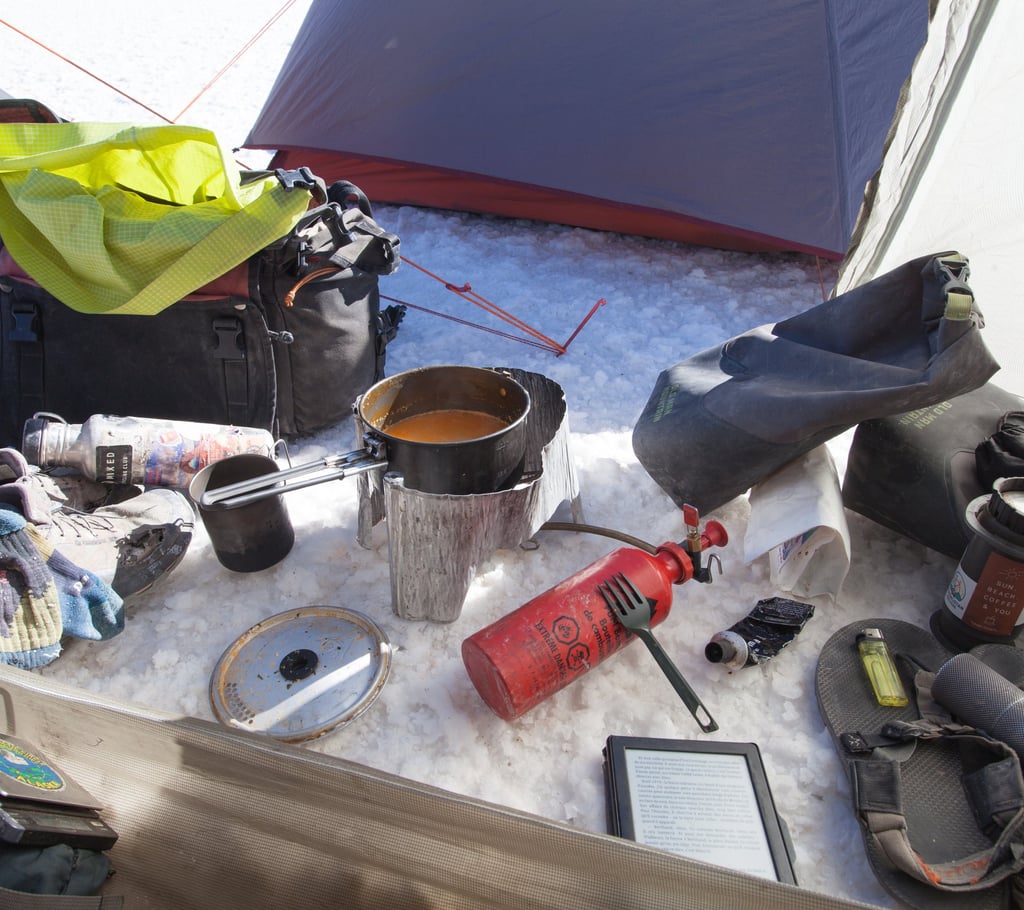
Conclusion :
Let's keep a few things in mind: this is coffee in a tube, it's not meant to replace coffee made with a V60, it's designed to be drunk outdoors by anyone, anywhere, in any weather.
That said, in conclusion, I am very positive about it. NoNormal's coffee in a tube perfectly fulfills the function for which it is produced and marketed.
It is a good coffee considering its weight, price, size, and ease of use.
It's practical, ethical, and can make life more enjoyable for anyone who spends time outdoors. Whether at work, playing sports, or on long-distance trips, it's ideal for optimizing weight and space.
What's more, it was often a better, cheaper, and faster option in restaurants for making myself a coffee after a meal. Just a cup of hot water and I had my coffee.
I take great pleasure in drinking it, and great pleasure in eating it, in one way or another.
Once it is used and appreciated for what it is, it is a perfect asset outdoors.
It is made in Switzerland, with 100% Arabica Colombian coffee. The brand was created and is managed by two wonderful people who are very attentive.
There you have it. I hope to always have a tube with me, whether I'm walking, biking, or packrafting. In France, Peru, or India.
The right link